
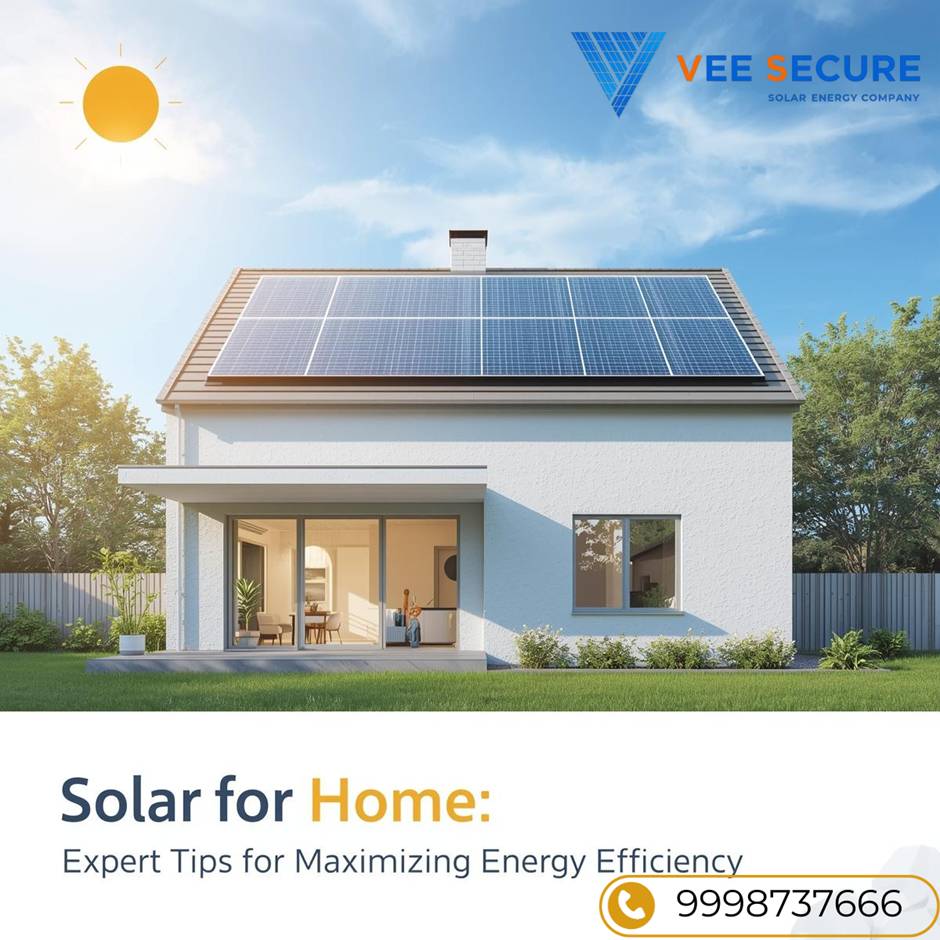
- 🌞 The Bright Future of Home Solar in India
Solar energy has evolved from being an “alternative option” to becoming a necessity. With panel technology advancing and costs falling, homeowners now see solar not as an expense but as a long-term investment.
The International Energy Agency (IEA) highlights India as one of the world’s fastest-growing solar markets, with rooftop solar playing a leading role. For homeowners, this means lower bills, greater energy independence, and contributing to a cleaner planet.
- 💡 Why Install Solar Panels at Home?
Installing a home solar system is about more than savings — it’s about adopting energy security and future-proofing your lifestyle. Key reasons why Indian families are switching include:
Lower Electricity Bills: Well-designed solar systems can reduce grid dependence by up to 80%.
Government Incentives: Subsidies significantly reduce installation costs.
Sustainability: Every kilowatt of solar energy offsets harmful carbon emissions.
Increased Property Value: Solar-equipped homes are seen as modern, premium assets.
- 🔑 Why Homeowners Are Making the Switch
The adoption of home solar is driven by three main factors:
Affordability – Solar panel costs have dropped by more than 70% in the past decade.
Awareness – Rising electricity bills are pushing families to seek reliable alternatives.
Accessibility – Professional EPC companies now handle the entire installation process, from survey to commissioning, making the switch effortless.
- ⚡ Types of Solar Panels for Homes
Before installing solar, it’s important to know the options available:
Monocrystalline Panels: Highly efficient, ideal for smaller rooftops.
Polycrystalline Panels: Cost-effective and widely used in Indian households.
Thin-Film Panels: Lightweight and flexible, suitable for larger spaces.
Your choice depends on your budget, roof size, and energy needs.
- 🏠 Assessing Your Home’s Solar Potential
Not every home is equally suitable for solar. Factors like roof direction, shading, and structural strength play a role. A professional site visit ensures correct system sizing and maximum returns.
For example, a south-facing rooftop with minimal shade can provide the highest energy output, while modern design tools allow installers to estimate your savings before installation begins.
- 💸 Government Subsidies for Home Solar
To accelerate clean energy adoption, the Indian government offers generous subsidies on rooftop solar systems. Approved vendors handle paperwork and ensure compliance, reducing the upfront cost for homeowners significantly.
- 🛠️ The Home Solar Installation Process
Here’s what you can expect when installing a solar system at home:
Site Assessment – Roof inspection and energy needs analysis.
System Design – Customized layout based on your requirements.
Government Approvals – Net-metering and subsidy applications.
Installation – Panel mounting, wiring, and inverter setup.
Testing & Commissioning – Ensuring smooth, safe operation.
- 🔧 Maintenance Made Easy
One of the biggest advantages of home solar is low maintenance. With occasional cleaning and annual inspections, your solar panels can perform at peak efficiency for 25+ years. Most systems come with product and performance warranties, giving homeowners peace of mind.
- 🌱 Choosing the Right Solar Partner
Your solar journey is only as good as the installer you choose. A trusted EPC company ensures:
Proper system sizing.
High-quality components.
Hassle-free subsidy management.
Long-term support and service.
- ✨ Final Word: Invest in a Brighter Future
Switching to solar is no longer just about saving money — it’s about embracing clean energy, reducing dependence on fossil fuels, and securing your family’s energy future.
With the right guidance and installer, your rooftop solar system can deliver decades of savings, energy independence, and environmental impact.
- 👉 It’s time to power your home with the sun.